Saturday, 29 November 2008

And its finished

Well The project is finished......


(Above) This is the best image so far of the back pack, better ones are on the way...Manages to get finished before deadline with an hour to spare and play about the studio in my equipment.

The magnet I ordered wasn't powerful enough to hold the Key, but any more Iron in the casting mixture would have effected the colour. There are much more powerful magnets available but in the interest of safety I decided against using one. The harness I weaved worked well, and was strapped togeather with large staples. But the finish on the 'K' was slightly rushed for deadline.... I will re visit it later to respray.....

The Best part.....


Here is a nice photograph of one of may lamps. I find the scale to be most pleasing, I would like to produce one at 1:1 using the real objects to test how convincing this version is....

All that is left to do is my critique which I am planning this very second...... Better photographs will appear soon.......

-thanks

Tuesday, 25 November 2008

Nearing The Finish...

Object Updates.....With originals

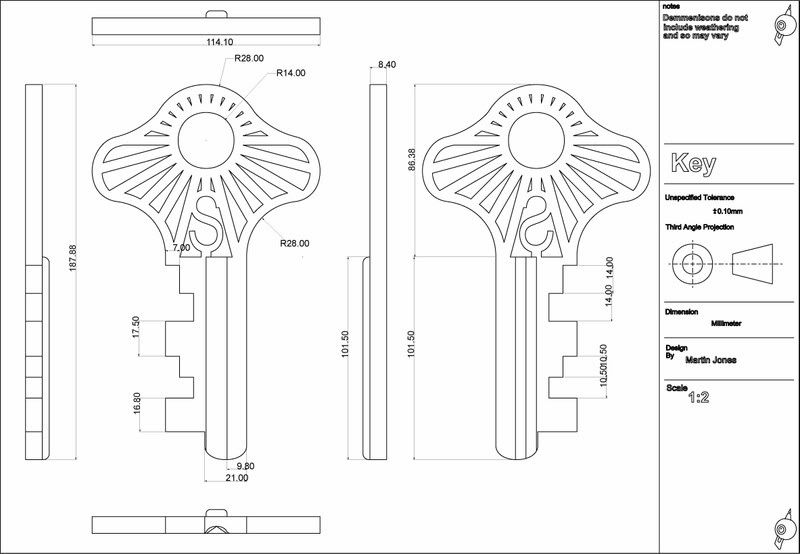
1) Key


Overtime, the aluminium has dulled slightly, so just before my critique next week a polish is in order.... But overall this object have been very successful...

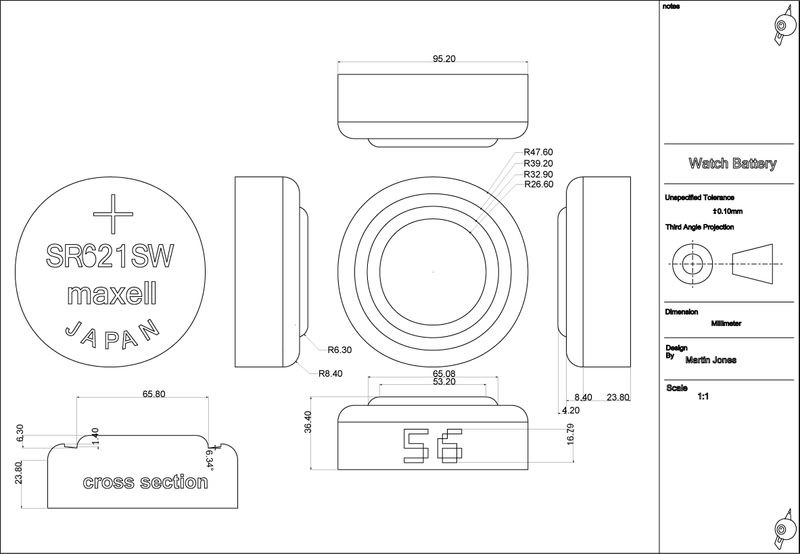
2) Watch Battery


I've had quite a bit of practise with aluminium metal powders, but these are by far the best. results. The only problem I have been finding is slight blemishes where the resin is perhaps not mixed perfectly. If there's time a few more will be cast to remove the slight marble effect on some of the edges. The main discovery is that Gel coat isn't not recommended, its viscosity means less metal powder can be used dulling its effectiveness.
"original at the bottom is hard to see".

3) L.E.D's


These have proven difficult, due mainly to the end line approaching (Friday).

->My first cast (Red) had an odd surface blemish which looks like an odd vein like ripple effect. It was probably due to the resin thickness and the heat it would have been holding. This was easily sanded away but more polish is require to achieve translucency. (also some air was trapped around the filiment).

--> My Second Cast (Green)In order to cut down this ripple effect, I mixed the poly urethane coloured it then added to the mould and degassed them together. This was left overnight to cure naturally without heat, then baked at 60 degrees to finished the curing. It was blemish free but there were air bubble at the bottom of the mould.

---> My Third and Final Cast (Yellow) this time, The resin was not degassed in the mould but seperately and the resin was cured at 30 degress for 3 hours (instead of 60 for 1 hour) This is now been left in the oven to cool overnight. On inspection this cast looked very sucessful (will post again tomorrow)

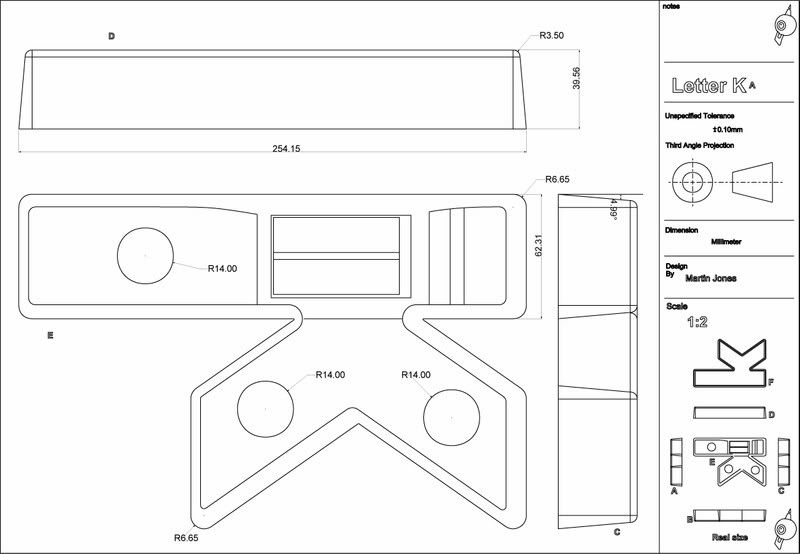
4) Weaving + Letter K

The 'k' has been cut out and built (also learnt to sue the router today to add even chamfer) ready for final details and spraying.

Modified my weave types am running tests to see how bleaching will change the threads whiteness to appear more cotton like.

5) Final thoughts and plan

Wednesday - LED's finished and attached to watch battery, 'K' primed at least
Thursday - Spray K Yellow, Darked matt yellow, then lightened sparked satin yellow, final coat of a tinted yellow gloss... Begin assembly.
friday - final assembly and well earned Pint...or five...

Saturday, 22 November 2008

Battery Completed


Here's an image of the battery from start to finish.
1) Nice silicone moulds
2) Straight out of the mould
3) Tidied Up
4) Polished.....

The battery worked very well, usually you need to burnish back resin with iron wool to gain the metallic finish but it was unnecessary. I found that the key things to remember when using metal powders is that.

1- The master should be polished to a very high standard (near mirror like), either lacquered or turned from a plastic or metal.
2- Resin Gel coated should be used, standard laying up resin works much better, you can have a higher ratio of metal powder to resin and will thicken to a gel coat standard because of it. Giving you a better metal effect.
3- Added a greenish off-white pigment to the resin give the aluminium that something extra...

Other objects

LED - Internal filaments have been made from acrylic and have been sprayed and lacquered. Ready for mould on monday morening.
Letter K - Basic shape has been cut ready to be sanded and shaped.

Saturday, 15 November 2008

Moulds and Clear Cast 31

Finished polishing..... finally


The battery has been moulded, (moulds above) and have been poured ready to cast on Monday.
The idea for the batteries is to cast them in fibre glass with a metal powder gel coat.
--Decision being, what when I made the key the highly polished surface lent its shininess to the aluminium powder. Gaining a better aluminium look..... So these formers where polished even better than the key was....

Optic Clear 31


Using some left over blanks for acrylic eyes I made this test mould for the optic clear 31 using transil silicone.

Using about 16g of resin each and 1 drop of the tria inks I got the test above. With only 1 problem. Where what looks like air bubbles have formed with an odd gas like pattern around them. The only thing I think might have caused this is some kind of forign chemical. So after cleaning the mould with alcohol I recast them. The problem was reduced but still slughtly visable.

Have now filled moulds with fast cast to try and remove anything left in the moulds. Other than that the colour is looking amazing......

Wednesday, 12 November 2008

Battery / Weaving Update

Battery Is almost ready to mould.....


The lathed battery parts had laser cut detail added. The text in the real object would have been stamped, so with any luck during the spraying stage the edges will become slightly filled producing a mild radius.

They have been sprayed with 5 layers of Cellulose lacquered near flawlessly.... The only flaw was major and in the final coat. On the last stroke I added to much and it pooled in one area..... This area will now required more time to set giving me another day to wait till I can polish them....... Damn it......

-------Was taught to make samurai sandals today, forgot the correct Japanese name, but will add later....Very useful in my weaving techniques possibility of modifying the design to make some sort of binding cords for my LED's to Batteries...

Tuesday, 11 November 2008

Pulled Key and moulded L--E--D


Here is the key, it turned out better than I thought it would, and OK in other ways.
They effect I managed to get with the aluminium worked very very well.
--It polished up very nicely to a shiny finish giving me the idea to not chrome the watch batteries and to try this....

My test objects never polished this well many dude to there surface. the key however was lacquered and polished to a high degree.


Poured the mould for the LED, used 450 grams of expensive platinum silicone to make it, as well as a few sample moulds. The silicone is clear designed for casting toys, using a clear cup to make the mould wall means I can still see the object inside.......

In 24 hours the coloured resin can begin.... wahahahaha

Monday, 10 November 2008

Ready to De-Mould, well almost


I filled the mould

To get the most real looking and accurate surface I did two things.
-Stippling in paraffin wax onto areas of the mould surface adds small random areas of damage.
-A loose powdering of the mould meant that the top surface should be a shiny aluminium appearance.

mixing a ration of 100g resin(coloured white) to 75g aluminium powder to 75g iron powder,
In totally the mould required around 450g of resin. If my plans are correct, the dusted aluminium will give a shiny top surface, and where the wax will be removed will reveal the lower darker surface...Hopefully making the key appear very authentic.

De mould tomorrow morning, was going to do it today, but temperature was very cold and resin was catalysing very slowly. So didn't want to rush and risk it deforming....

Sunday, 9 November 2008

LED workings


To make the LED/watch battery device work I acquired some battery powered put lamps.
After opening them I removed the switch and replace it with 'Sub-Miniature Lever Micro switch'.

This will be inserted into the watch battery and when the object is placed on the ground the 14:1 scale LED will light up. Acting as a type of emergency camping light.

Saturday, 8 November 2008

Key Mould Part 4

De-Mould the Fibre Glass


De moulded the fibre glass and removed the former for the key, there were 2 little problems but they were easily over come. Before pouring the second half of the silicone I re polished one side of the key. In doing this I must have rubbed away the releasing agent in some area's and the two parts fused together. But they were scalpled apart and the mould was un damaged.

--There was one section where the silicone did not catalyse compeltely, there must have been something on the key to in hibit it, but never found out what.


Cleaned out the mould with some fast cast, and the surface is very good. On monday I will cast with polyester resin and metal powders.

Battery Update
Also turned all the componets for the battery, details will be lazer cut on monday, hopefully lacqured by the end of the day.....

Wednesday, 5 November 2008

Moulding The Key Part 3

Removing the wall


The styrene base was removed and all the clay cleaned away. At this stage I noticed a small flaws.

The pour hole is partly fibre glass, and I will be pouring resin with metal powder into this.
----> Solution, I will only be pouring to top up the mould, and with a huge amount of release agent it shouldn't be a problem. Also a quick paint of silicone might be possible.

More Silicone


Another clay wall to hold the second side of the silicone, this was then backed up with 2 layers of fibre glass. Will be de moulded tomorrow, the current weather being rather could has mean the fibre glass is catalysing more slowly. This has slowed down the moulding process but will be very useful when it come to casting from it.

L.E.D materials

Received Transil 40 and optic clear 31 from mould life, this means the LED can now be moulded.

-Just ordered the TRIA inks required, with luck resin tests should be possible by Monday......perhaps even a finished LED....

Monday, 3 November 2008

Key mould progress

Moulding the Key part 2


The was sunken into a piece of styrene plastic to create the split line, the locators were made by filling ice cube trays with fast cast. When the fast cast is almost cured de mould them early and they can be bent into various shapes. A clay wall was added with key cut around the edge, which was then filled with silicone.


Clay hemispheres added to form more locators and then the flange was coated in a layer of acrylic spray lacquer to lock away any moister. Once dry a coat of j-wax was used to prevent the fibre glass from sticking to the styrene. This side has now had two layers of green fibre glass added to it, and tomorrow the second half of the silicone will be added.

L-E-D, update

Ordered from mould life the Optic clear 31 and the Transil 40, this will be used to mould and cast the head of the LED. Still looking for a good source of TRIA inks

-Apprenetly the bottled liquid inks are beinmg replaced by cartradges, which is maknig my application harder to acheive, they were to be used to add the colour to the clear poly urathane.