Monday, 27 October 2008

Painted Effect


Tested a different way to add the metal effect.
Spraying with black cellulose paint and then added metal powder while still wet.

Tried covering the test panel and sprinkling to test differences.
Gave some interesting effects, but the less dense the powder the harder it was to sprinkle.

Tried, brass, bronze, iron and aluminium....
Aluminium was the best overall, but the rest all have their own qualities but I wouldn't use this as an alternative to resin cast metal powders.

Might be useful when adding weathering or random details....

Sunday, 26 October 2008

Key Mould


Purpose
The key will be cast in metal powder with resin, it will consist of two parts and a small poor hole. With the quantities of metal powder I wish to use it will make the resins to viscous to poor, but with an open mould it can be brushed into key area's. Once near full the mould will be closed then topped up via the poor hole to ensure it is free of air voids.

1) Using a sheet of plastic (laser cut to shape) with locators added will be placed around the edge at the highest point where a split line can easily be removed. A clay wall will be added with various keys cut so it can locate to the fibre glass later. Silicone will be poured over to a thickness of 10mm, when near catalysed long cube like locator will be added to prevent the mould wall sinking in later.

2) Once fully catalysed clay wall is removed and fibre glass (or mod rock) jacket is added to strengthen the mould.

3) Mould is then flipped over and all plastic and excess material removed. New clay wall is made with keys and locators. A small object is added which will layer become the poor hole. Poor second half of silicone.

4) Remove all clay, and added the second half of the fibre glass jacket, remembering to added adequate release agent where fibre glass touches. Once catalysed drill holes for M6 bolt every 30mm around the edge.

Top image shows how the mould will look when open.
Detail shows how top locators will be pinned with metal rod to prevent the wall from sinking. This is an overly cautious method, but it will insure the surface of the key will not be warped when mould is moved.

Friday, 24 October 2008

Shiny Formers


Key
Finished and filled, there's something every model maker needs to learn and that's when to stop, being too particular will take for ever. The key has been given several layers of clear cellulose lacquer in a slight speckle. After 2 days to cure this will be polished back to give a good surface to mould from. The area's that are hard to polish will remain textured from the spray, mimicking the randomness of the stamped metal effect.

Fact -I discovered that to give a beaten affect to an object, brush and stipple wax into the mould. This is what was done on Gladiator so a single mould could be used to produce many helmet with different variations of damage....

LED
First post for the LED, turned on the lathe from chemi-wood, to an amazing finish then lacquered same as the key, and after a few days will be polished using T-cut to make a glass like surface. (also a few layers of Mirror Wax will maker the surface better and easier to de mould)

Contacted Mould life and Alchemy,

Alchemy's advice.
-3660 clear urethane slow, would be best for my LED casting with TRIA inks for the colour, costing £33.15 for the kilo kit. But still need to research the mould required, some urethane reactions are inhibited by tin cure silicones. May need a platinum silicone.

Mould Life advice
-Optic clear 31, mould life are particularly reliable when it comes to advice, and I have used their poly optics before. Will cost around £42 for the smallest kit and will require a Tinsel 40 mould costing around £30. Using TRIA inks for the colour.

ATM - cost is the main concern.....so it hangs on the 3660 mould requirements. TRIA inks cost around £5 a colour.....

CASTING ADVICE
-When using TRIA red ink into clear urethanes, always make it darker than you want when mixing, they lighten up when they curing
-Using standard urethane pigments with 3660 make it loose its transparency.

Weaving
In the image above I tested making a new weaving needle, meaning I could weave 3 stitches at the same time. This did not work, so back to one at a time.

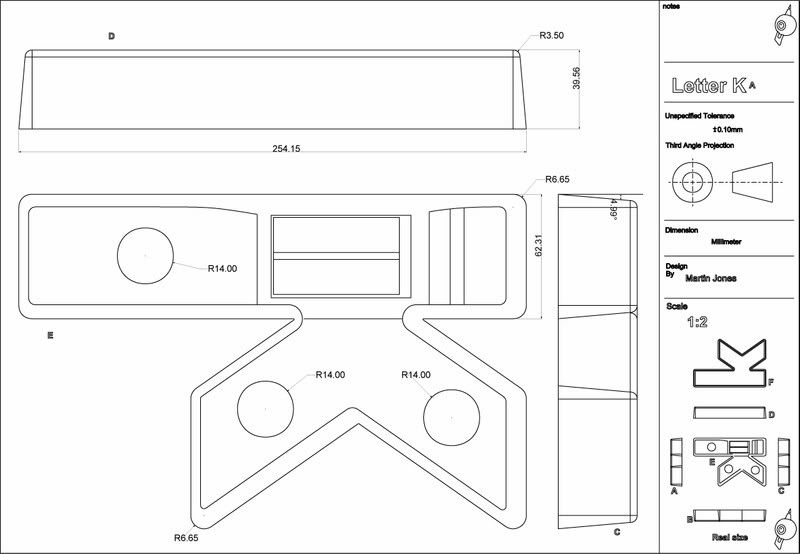
-Note added new link to the giant magnetic letter I will be making.....

Sunday, 19 October 2008

Object Update

Weaving

With the new new board now filled, and with 2 and a half balls of twine gone, it takes roughly 6ish hours to complete just over a meter of cotton ribbon @ 14:1..


In to total the strap has 1442 stitches, which is now quite a scary thought, I have to make about 5 of these....

The Key
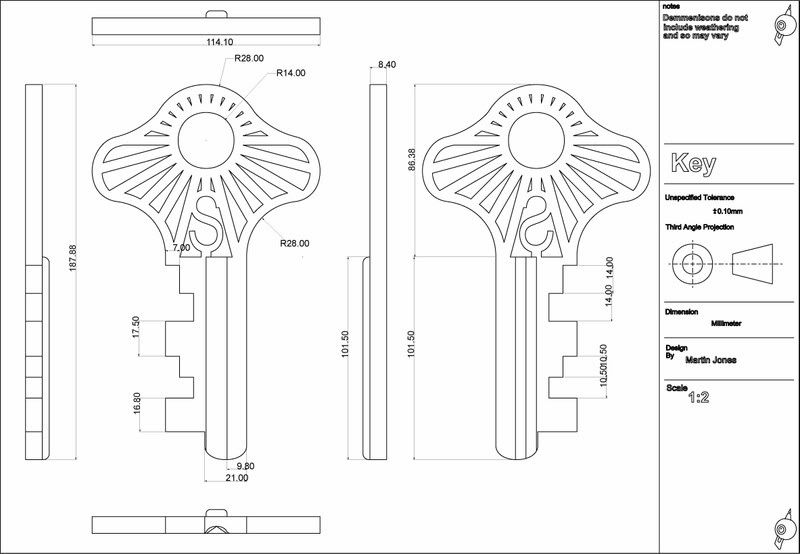
With it now sprayed and major details completed, it should be ready for moulding by Wednesday. All there is to do is refine some of the details and make some sharper edges.
-The mould will be made in two parts with the seam running along the top edge of the key making flashing easier to remove. With a nice mix of aluminium and iron powder a nice steal looking key will be produced with magnetic properties, making it attract to the back pack.


Things left to do

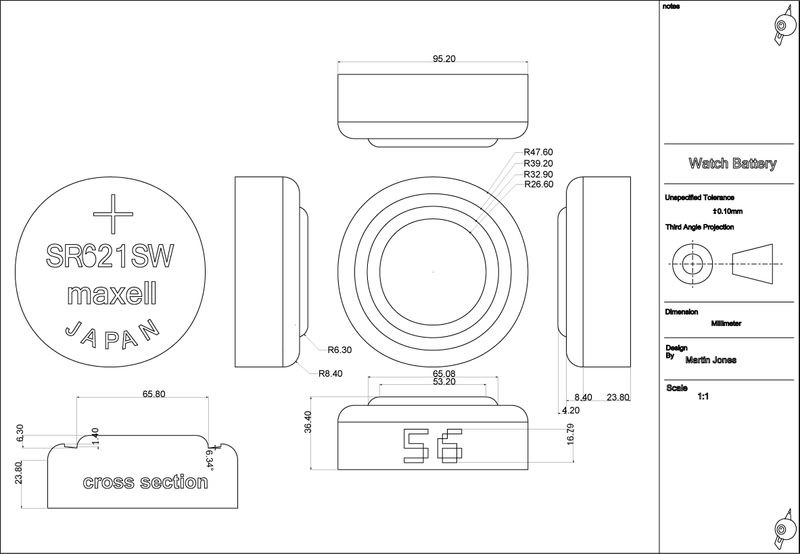
- Watch battery, still need to find some brass, copper or aluminium. No luck so far, if all else fails they will require a similar cold casting method, but without the preferred chrome effect.
-Decide what to cast LED from, currently considering clear fast cast from either alchemy or mould life.
-Need good large scale printers with flexible plastic capabilities

Note - added LED plans to links....

Wednesday, 15 October 2008

Weaving

Waeving

The various clothe that borrowers would be able to obtain would be mainly cheaper and most probably synthetic. Using a sample of cotton ribbon the plan was to scale up the material and its weaving pattern.


1. (using a sample as reference I experimented with weaving methods to best mimic the real thing) first test using string and card, this worked but the card was to flimsy meaning the weave could not be as tight as required. Once finished and removed from the board the pattern soon perished.

2. A thick laser cut board was then made, it was cut in half down the centre and a then glued back together. this was done so it could easily be dissembled later (so the weave could be removed intact). Also various tools were made from metal rod so that the weaving speed could be improve.

3.With the acrylics strength a thicker cord was used and a much better tighter weaving, but am limited by the boards length. discovered that with the weave touching the back of the board each stitch made it tighter making it harder to work with, so it needs to be raised from the back.

4. A meter and a half length board with wooden peg spacers was then made. Each peg is unglued, with a notch half way down, so the weave is made above the backboard. I can now spend my evening weaving the require amount of borrower material.

--Also Added new link list of plans and drawings---

Monday, 13 October 2008

Plans, materials and spray test

Spray testing

Continued experimenting with the ability to spray a convincing metallic surface.


Tested the following...
-Chrome plasti-kote spray, with cellulose lacquer and acrylic lacquer.
-aluminium metal powder resign sprayed - with with cellulose lacquer and acrylic lacquer.

So far, they all look metallic, but all retain that plastic like appearance, this kind of spray may not be useful.

Material Testing


Using samples of cord and ribbon, larger scales of weave were produced, using string to represent the thread. This was hand made to represent the fibres at the borrower scale.
worked very well, but the thickness may need to be increased to make a truer representation.

Using various plastics (bin liners), these were melted together to form plastic at the borrower scale, overall the plastic became around 2mm thick, this will be used in test to better understand possible ways of working with plastic at borrower scale.

The Plans are as follows

-Clothe, will be hand made from threads/rope etc.
-LED, cast in clear cast with metal interior components.
-Watch battery, hand made, from either aluminium, or chemi-wood with a metal spray application.
-Magnetic latter, made from wood or cheap acrylic (depends on weight) , then sprayed to mimic plastic.
-Key, laser cut from acrylic, hand finished and damaged then cast in resin with metal powder.
-Clasps and clips, made from steal to mimic staples.
-Various pockets, made from large scale prints onto plastics.
-Button (as time permits) turned, then airbrushed to a plastic effect.
Sunday, 12 October 2008

More Designs - and material descisions


Current Design

Several changes made so far, the back pack has become a magnetic letter mimic a more of a climbing harness. only issue is the available reference object only has a single magnet would prefer at least two making its use more practice.

Test and Source's

Pockets
- made from enlarged plastics.
- Need to find large scale printing with adequate plastic properties.
- Custom made plastic samples could be easily produced.

Magnetic Letter
- magnetic back pack
- reference has very very slight translucency, shall this be ignored (would light act in similar way at the required scale?)
-Test sprays on various materials is needed.

Straps
-Need to source real life objects as reference.
-Perhaps find 14:1 equivalent of thread, and make on straps though means of plating and weaving.
-Colour, perhaps dyed?

Watch battery
-to gain shininess, either hand made from steal or aluminium, or cast then chrome dipped.
-could be costly....

Saturday, 11 October 2008

Filling and Damage

Filling the key


The last few days have been spent continuing the designs of the back pack, and filling in the key. Once up to a near perfect standard the process of ageing will begin.

Time to age


Using enlarged photographs of the original unseen scratches and scrapes were revealed. This was then divided into a grid and sketched onto the model.
-Next I will be dremmling out these area's to mimic the keys used appearance.

Tuesday, 7 October 2008

The 'Key' Thing

KEY

Today I began making the shape for the 14/1 scale key.


Made from various layers of laser cut acrylic, now begins the time consuming part of adding the imperfections. Using blown up photo's of the original I will try to add all the marks of age to this copy.

Monday, 6 October 2008

Design and research update

New Links Added new set of links to the right, this includes all the important sites visited for various research needs.

Magnets

1) Powdered magnet research,
found various you tube videos of Super magnet man, a US supplier of magnets which includes a good looking powder variety. Although in theory this should be possible to cast into resin, I've sent off a few emails asking for information and possible samples to test this materials abilities.

2) UK magnets
Found a cheap UK based mag
net company, if powdered version proves unsuccessful these could be easily put inside moulds to give areas of magnetism.

Design


This is the current look of the design. Breakdown as follows
-Magnetic letter backpack, useful for quick storage and access to metallic tools.
--Will be an exercise in product model making, textures and spraying.
-LED / Watch battery lamp, for the lighting of dark areas.
--Will be produced in multiple colours, casting, vac-forms and possibility of working electronics.
-Large button, act as button.
--Will allow me to airbrush and test detailed colour matching.
-Back Pouch, made from basic lightweight household plastics.
--Large scale digital printing, examples of how the size of the printing rosette's will form as the scale increases.
-Straps and materials, to hold things together.
--Will improve various material skills, also may have to experiment with scaled up thread, etc.
-Pin and staples, to hold different items together.
--various metal working involved.
-Key (not shown) to open borrowed lock
--Example of hard edge metallic objects

Tomorrow

Method of producing key decided, will layer up from laser cut cross-sections, then hand make details, will require slight mill work. Plans ready to cut.....

Saturday, 4 October 2008

Deciding, with Iron and Magnets

I've been thinking

Decisions have been made, and I have decided on what objects to produce and that each of them will contain specific important skills.

  • Metal key, illiterates basic hard edge making with various machining skills. Plus metal powder casting and weathering effects.
  • Camping lamps, working electronics (as time permits) clear/transparent casting techniques. ability to make multiple replicas and vac-formed plastics.
  • Back pack, Will be made from various materials, allows for experimentation representing plastic objects and their imperfections, through sculpting and spraying techniques. Also allows other objects to be displayed as a costume type piece.

Magnets

One of my more favoured idea's is the backpack is made from a half plastic coating magnet. This meaning all the tools and equipment could be easily interchanged while out 'borrowing things".

Thinking on this, giant magnets are heavy and expensive. Tests were produce to see how much iron powder is required to obtain a useful magnetic effect.
#

1

2

3

4

5

6

7

Resin (g)

20

20

20

20

20

20

20

Aluminium Pwd (g)

20

10

5

20

10

20

0

Iron Pwd (g)

0

10

15

10

20

20

20


--anything above 10g of iron made the resin affected by a magnet, but the iron makes a large effect on the colour of the metal.

Research is required to see if magnetic powder is a possibility in order to produce a large prop which still can be hollow and light. But a magnets physical structure is important for the magnetism. So it may not be overly successful.

Thursday, 2 October 2008

Sketches and Maquette's


Various sketches produced today.


This quick (ish) Marquette was produced to test material capabilities. This was made at 1:1 scale from a borrowers perspective using found materials. The plastic was cut into strips and woven into cords the pack consists of stitched card.

This was made to illustrate that borrower object should reflect what the majority of what household produced are made from.

Tools continued

Still in decision mode on what object could be required, borrowers predominately use basic survival gear with slight modifications to suit our environment. So far what I think may be useful are.....

  • Grapnel Hooks (to reach high places).
  • Various ropes and climbing gear.
  • Rope or cord ladders.
  • Basic weapon (spider defence).
  • Zip line
  • Torch or freighting.
  • Glider?
  • Ice axe type of multi tool.
  • Back pack or satchels.
  • Something to hold water.
  • Map bag
  • First aid kit
  • Climbing shoes / claws
  • Magnets or suction tools
  • Key (from borrowed pad lock)


Wednesday, 1 October 2008

Dangers, Tools and Materials


Dangers of being a House Dwelling Borrower.

  • Spiders and insects, these would probably be one of the most scariest things they would come across being possibly poisonous. Some sort of weapon may be required. (Left, scale showing average house spider compared to average borrower)
  • Mice and rats, more like wolves but twice as deadly.
  • Humans, some sort of camouflage would be required, very little use for brightly coloured clothing or equipment.
  • Size restrictions, some kind of climbing gear would be required, various clips and pulleys, most surfaces are polished or are shiny, so conventional rock gear would useless. (possibly suckers, grapnel hooks etc.)
Required Tools for House Hold Terrain Negotiation

Storage - Some kind of bag will be required, necessary for supplies, tool and equipment. Would bags be back pack, overarm duffel bag, various pockets belts?

Pots and Pans - Would eating utensils be hand made or the use of a found object, i.e.. smarties lid?


Lighting - Borrowers rarely leave their home for more than a day, but just in case some kind of lantern would be required. Also cupboards can be dark when looking for food etc. Would they include candles? Basic Electronic lights? Fuel?


Telescope - Being very small, seeing longs distance's would be useful, some makeshift binocular would be used.


Climbing Equipment - The complexities, would they be basic rope, or some kind on harness equipped with pulleys? What about spiked shoes for added grip when climbing vertically?


Clips and fastenings? - All equipment needs to be secured together, what would be used? Hand made from wire and string? Or cannibalised from dolls or toys?

Maps - Would borrowers keep maps and diagrams of where important or useful thing can be found?

Fire - if fire is useful you matches or gas lighters be used?


>>> Full list of Image Based Research can be found in the links on the right <<<< All above image source from Costwold outdoor equipment supplier (www.cotswoldoutdoor.com)

Available Materials

Borrowers wouldn't use the same materials as we would, being a race of scavengers they would use found materials which are readily available.
  • Basic clothe would be too heavy and hard to move in, silks and nettings would be preferred.
  • Our would be made predominately from plastics would be mirrored in borrower culture. Plastics from packaging would be light, flexible and could be made into cord or rope.
  • Tools would be cannibalised from various objects, razor blades, paper clips and utensils could be used to form weapons or climbing gear.
  • Strings, twine, wool and threads would be very useful...